
Blog
Understanding the Process of Scalp Tattoos

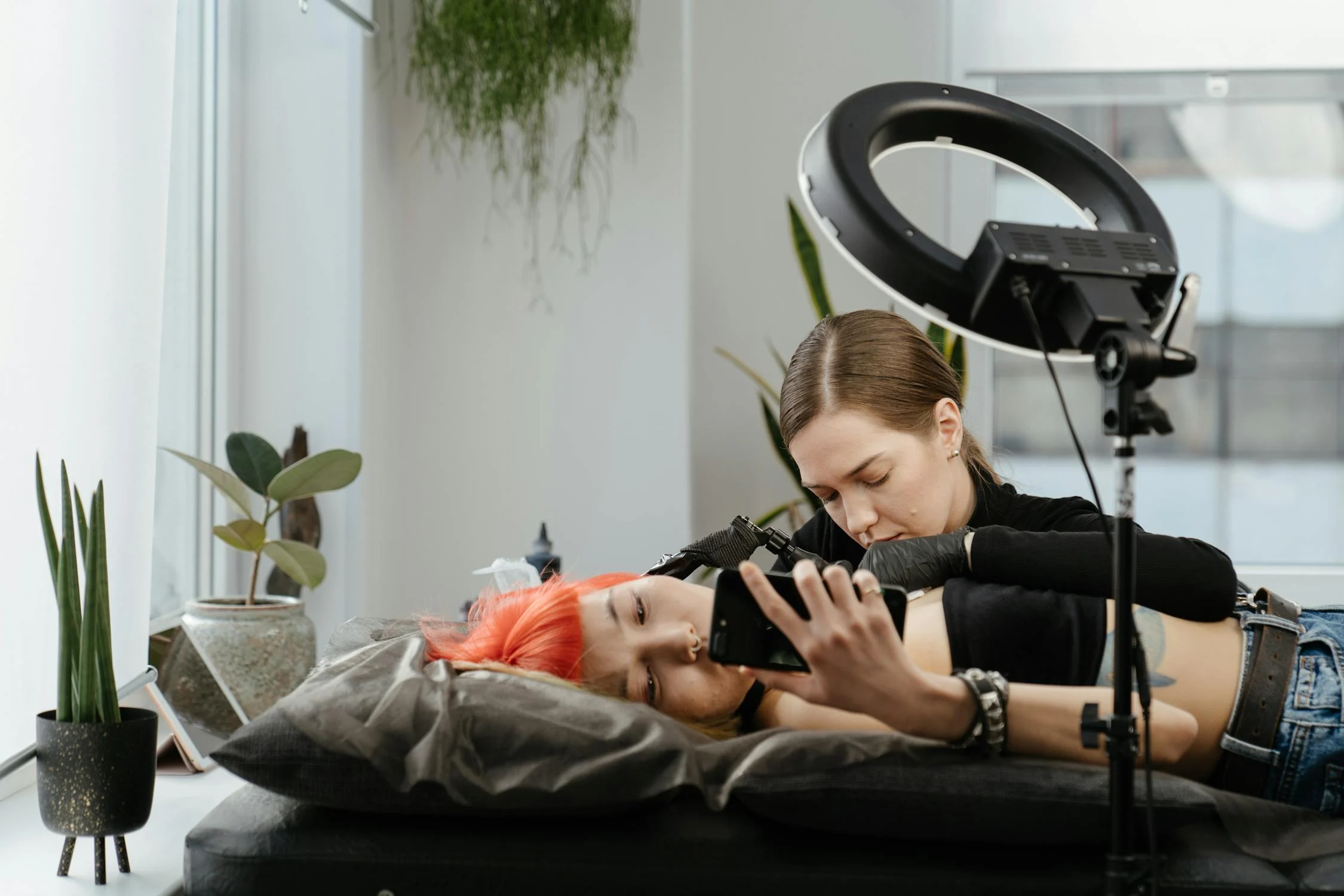
Undergoing scalp tattoo treatment provides an easy way to address your hair loss condition. Also known as scalp micropigmentation (SMP), this non-surgical cosmetic procedure aims to recreate the appearance of natural hair follicles. SMP improves the appearance of scalp hair loss, but the technique is also adaptable for beards, mustaches, goatees, and sideburns. Here are a few tips to help you understand the SMP process:
Assessing Your Needs
Before getting a scalp tattoo, you’ll meet with an experienced SMP artist to discuss your needs. The consultation involves identifying your goals and understanding the reasons for your treatment. SMP treatment primarily addresses hair loss conditions, including male and female pattern baldness, thinning hair, receding hairlines, and alopecia. You can also use SMP to address hair transplant scars or hair loss caused by burns and injuries. During the consultation, the SMP practitioner discusses your expectations and the style you want to achieve.

If you’re addressing a receding hairline, you may choose a bold, defined look or subtle improvements. Other options include high or low hairlines or a widow’s peak. SMP is also used to restore the look of density in thinning beards and goatees. Consultations include a review of your medical history and a general discussion about pigment selection, preparation, procedure, aftercare, and retouching. After the consultation, the SMP artist creates a detailed, personalized treatment plan and schedules your first session.
Preparing for SMP
SMP requires a healthy candidate without active scalp infections or conditions such as psoriasis and eczema. If you have severe scalp acne or open wounds, seek treatment before undergoing SMP. You may also have to stop taking blood thinners and medications that interfere with healing. If you’re a good candidate for SMP, the practitioner will schedule a session as soon as possible. Before your session, the practitioner prepares a pigment that matches your natural hair color or the desired look you wish to achieve.
Preparations on the day of the procedure involve cleaning and shaving or trimming your scalp. The artist also disinfects your scalp and may apply a numbing agent to promote comfort during tattooing. You’ll receive additional instructions to help you relax for SMP. The procedure involves sitting in a reclining chair that allows easy head adjustments when accessing your crown, hairline, and the sides of your head.
Tattooing Your Scalp
SMP uses tiny micro-needles to deposit pigments into your scalp. The process relies on your practitioner’s artistry to replicate the look of natural hair follicles. To achieve a realistic appearance, the practitioner spaces the pigments so that they replicate the look of your natural hair follicles. Practitioners may also alter the spacing to add density or achieve your chosen style. The pigment is applied in layers to build density, with sessions spaced several weeks apart to promote healing.
A single session may be sufficient, but most clients use multiple sessions to achieve the desired outcome. Choose skilled practitioners to achieve a natural appearance that blends the pigments with existing hair follicles. Practitioners achieve this by varying the size, angle, and depth of the tattoo. Tattooing techniques and sessions vary, so scar concealment may take a different approach from beard enhancement.
Following Aftercare Steps
SMP results are immediate but require healing and pigment setting. After each session, you’ll have a healing period, during which you must follow the practitioner’s aftercare instructions. Avoid washing or wetting your scalp, as well as engaging in swimming and intense activities that increase the likelihood of sweating. If you plan to go outside, apply the recommended sunscreen or cover your head to prevent sun exposure.
Your practitioner can recommend or provide moisturizers and other scalp products to help you achieve and maintain the intended results. Avoid picking or scratching your scalp until it fully heals. SMP results are semi-permanent and require occasional retouching to maintain the appearance. Depending on your lifestyle and needs, you may retouch your scalp after several years. A retouch may also be required for SMP correction or to improve density. Practitioners schedule these sessions once your scalp has healed.
Speak To a Scalp Tattoo Artist
Scalp micropigmentation gives you a non-invasive solution for hair loss, eliminating the need for hair transplant surgeries and other complicated solutions. The treatment is tailored to your needs and produces realistic outcomes that are nearly indistinguishable from a natural look. Contact a scalp tattoo artist today to find out more about their services and packages.