
Blog
How to Choose a Soap Making Method – Guides

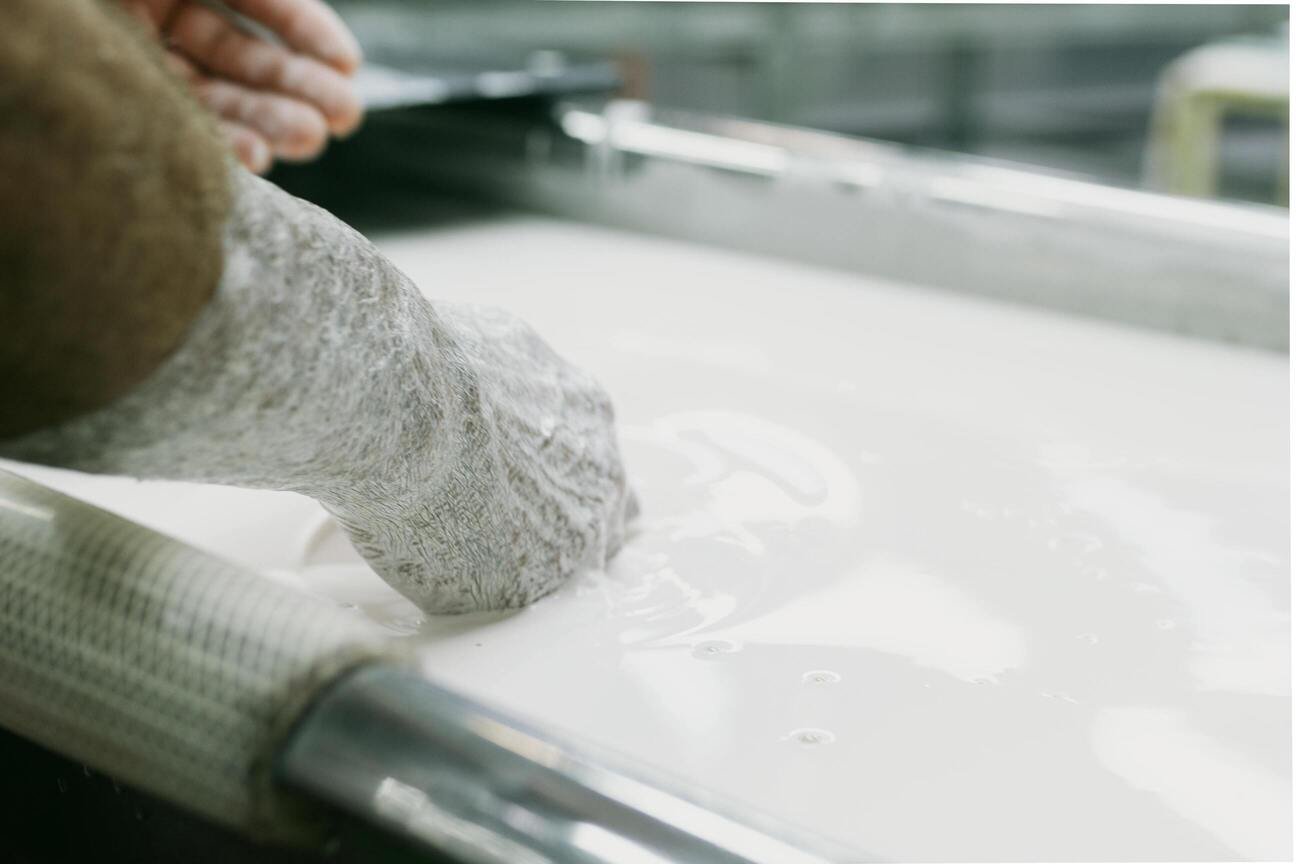
Soap making has been a beloved craft for centuries, allowing creators to produce their own custom soaps for personal use or small businesses. But with so many different soap-making methods available, how do you know which one is best for your needs? Whether you are looking for an easy, quick method, or you prefer to master a more intricate and customizable process, this guide will help you understand the different soap-making techniques and their pros and cons. we will discuss four primary soap-making methods: cold process, hot process, melt and pour, and rebatch soap making. Each method has its unique characteristics, and the choice depends on your preferences, skill level, and the type of soap you want to create.
Melt-and-Pour Bases for Beginners
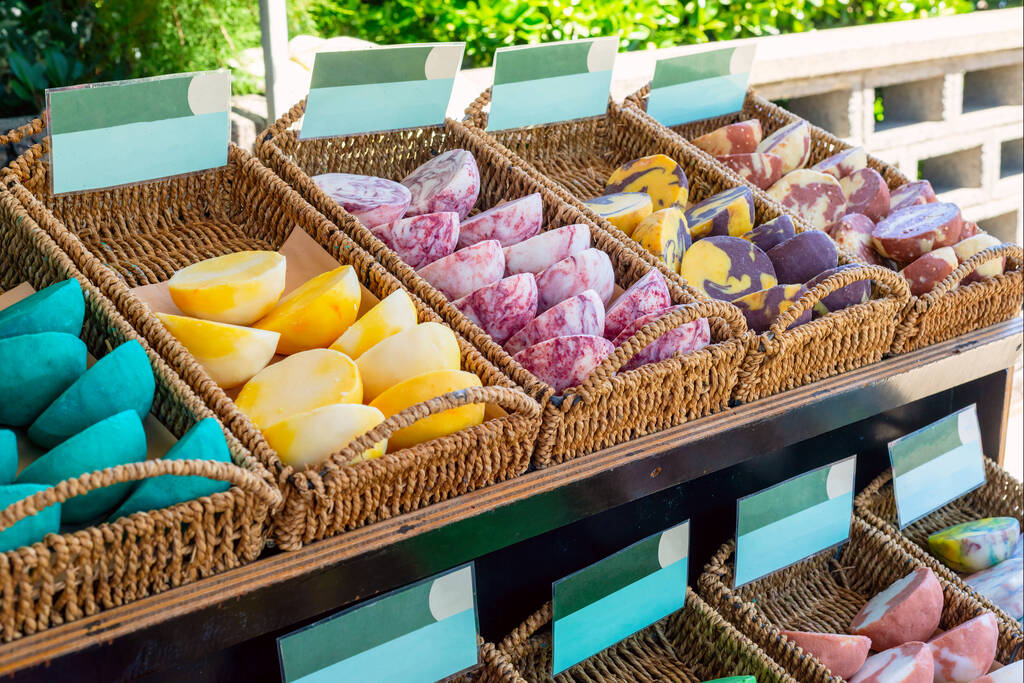
Using melt-and-pour bases is a beginner-friendly approach to soap making. Unlike making soap from scratch through cold processing, the melt-and-pour process doesn’t require handling lye and other raw chemicals. To craft your soap, melt the solid soap base, stir in your additives, and let the mixture set in your preferred molds. These meltable bases allow you to add a variety of soap making supplies to your products, including fragrances, colors, and dry botanicals. Some melt-and-pour soap bases are clear or low-sweat, and they feature oils, butters, honey, and other ingredients for added moisture.
Apothecary shops offer a variety of melt-and-pour soap base options, including those made from shea butter, glycerin, coconut, and goat milk. You can also find aloe vera and oatmeal bases, as well as mixed blends and layered options.
Each soap base delivers unique benefits, such as moisturizing dry skin, soothing sunburns and irritation, and fighting acne-causing bacteria. Melt-and-pour soaps allow you to customize your final products using custom molds.
You may also use colorants to create layers, swirls, or other visual effects as you pour the soap. Once formed, the soap sets quickly, allowing you to use it within the same day.
Cold and Hot Processes for Control
The cold process technique gives you full control over the ingredients in your soap, making it suitable for custom recipes. If you want to make high-quality soaps, the cold process method enables you to design every aspect, giving you creative freedom. The method produces hard bars and long-lasting soaps with intricate designs, such as swirls and layers. The process also involves a longer curing period, so you may have to wait several weeks for the soap to be ready to use. Because you’re crafting cold process soap from scratch, you must learn how to handle lye and other chemicals safely. Lye should be handled with precision and careful temperature control. Wearing protective gear and using accurate measurements helps keep you safe during cold process production.

Hot process soap making offers a faster alternative to cold processing, utilizing heat to accelerate saponification. Although its turnaround is quick, the hot process still requires lye handling, which can be challenging for beginners. This process is more appropriate for experienced artisan soap makers. You may use hot process techniques to produce nourishing soaps and reduce your soap making process to a few days instead of weeks.
The hot process results in soaps with rustic appearances, less-polished finishes, and fewer lye-heavy spots. The process involves working with a thicker batter, which is harder to swirl or layer, making it suitable for less-detailed soaps. Use fragrances and additives to customize the soap after the saponification process.
Premade Soap Bars for Quick Production
If you’re new to soap making but still want to sell cold or hot process products, you can use ready-to-package bars. These bars come preprocessed and fully cured, so you don’t have to melt the base. They come precut into custom shapes and sizes, or whole loaves, which are ideal for high-volume sales.
Ready-to-package cold process bars and loaves enable you to cut, label, and package them easily. You won’t have as much control over the production process, but you can find apothecary shops with a wide range of bars.
This allows you to select products with your preferred mix of oils, fragrances, colors, and other additives.
Re-batching and re-melting soap bars are good options if you want to skip the initial saponification process. Such bars come premade but allow you to add heat-sensitive ingredients, like delicate scents. Re-batching involves grating premade bars, adding liquid and new ingredients, and melting the mixture. This technique helps salvage hot and cold process soaps that don’t turn out as intended. Re-batching and re-melting allow for less creative freedom than cold or melt-and-pour processes, but you can still incorporate various additives to make your soap unique.
Find Quality Soap Making Supplies Today
Your experience, available equipment, and desired soap qualities determine the soap making method you should use. If you prefer more creative control, use cold and hot processing techniques. For faster production, look for shops that offer ready-to-package bars or re-batching supplies. Contact an apothecary shop today to learn more about their inventory of high-quality soap making supplies.